
In 2025, the Renera Group continued to actively promote the energy transition while creating the best conditions for 2026. Together with our customers, partners and employees, we have achieved the following in three countries:
- Driven forward renewable energy projects
- Developed our expertise
- Tested innovative new solutions
- Shared knowledge
- Exchanged ideas with the energy community
- Reached new heights as a team.
02/03/2025
Corporate News
The year 2025 was a very positive year for the Renera Group! Why are we also looking forward to 2026 with a confident outlook? Without a doubt, it is the development and momentum of the energy transition over the past years and the successful projects we have been able to implement with our customers that make us optimistic. The enthusiastic atmosphere within our international team of energy change-makers drives us to continue pursuing our vision of a fully renewable energy world and to contribute to its realisation with profitable solutions.
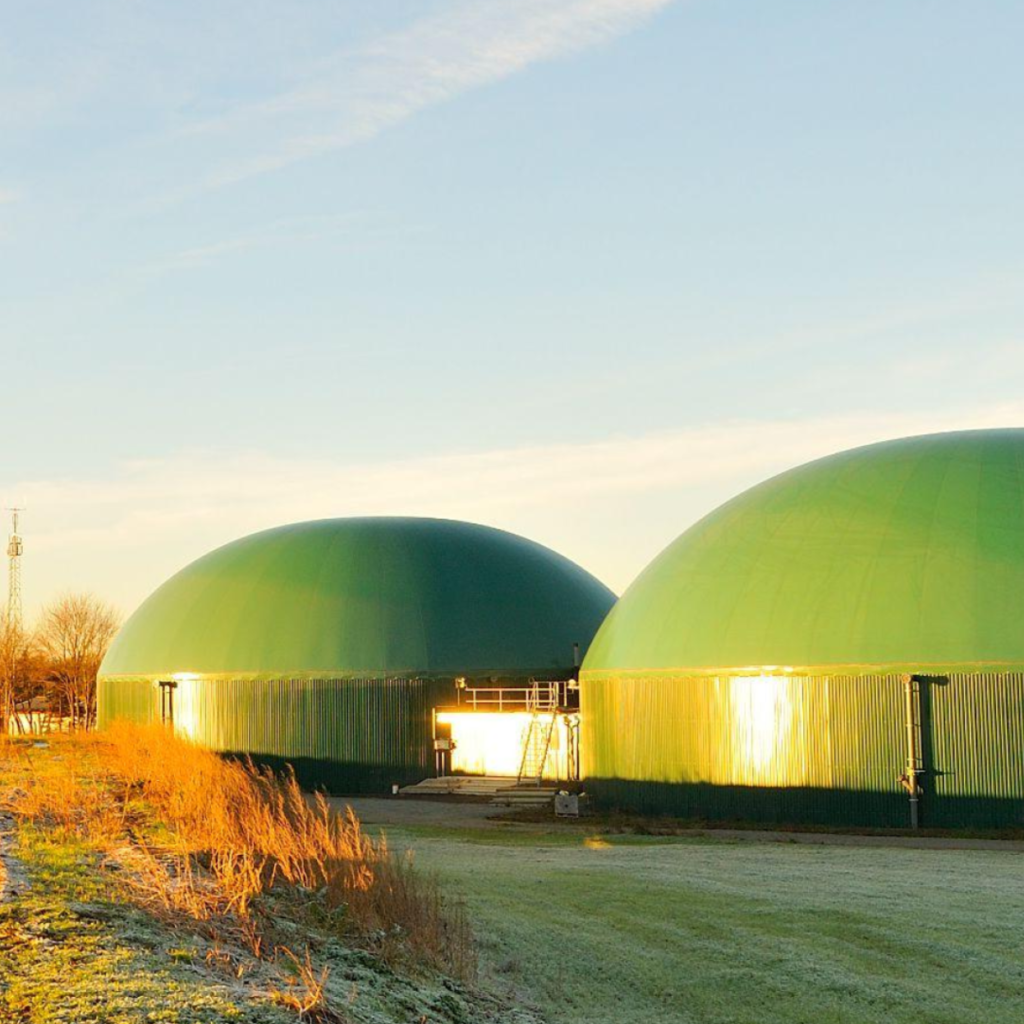
Renera secured over 1 TWh of biogas from Spain. 1 TWh can supply almost 45,000 households with renewable energy for a year and save around 180,000 tonnes of CO₂ compared to conventional fossil gas.
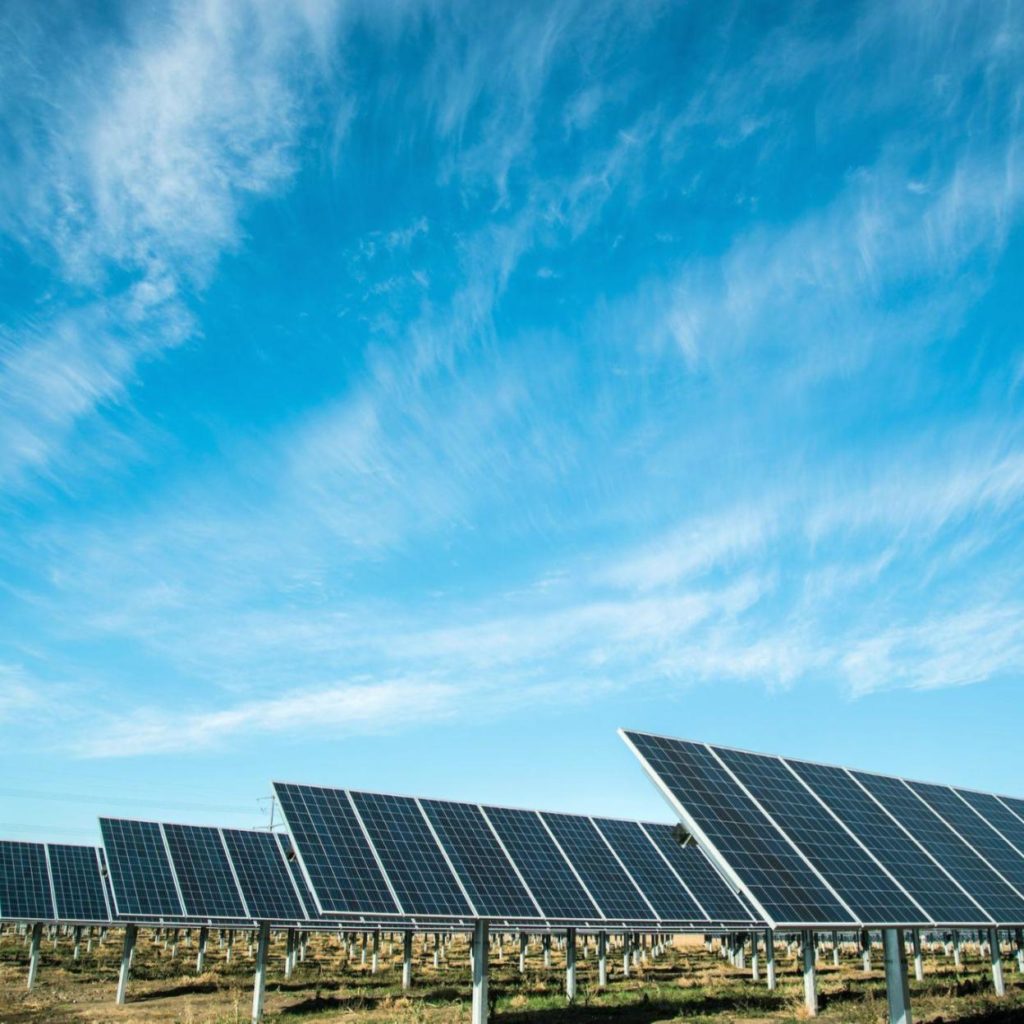
In Italy, we obtained the building permit for another large ground-mounted PV project. This is a 20 MW plant in Occhiobello, Veneto.
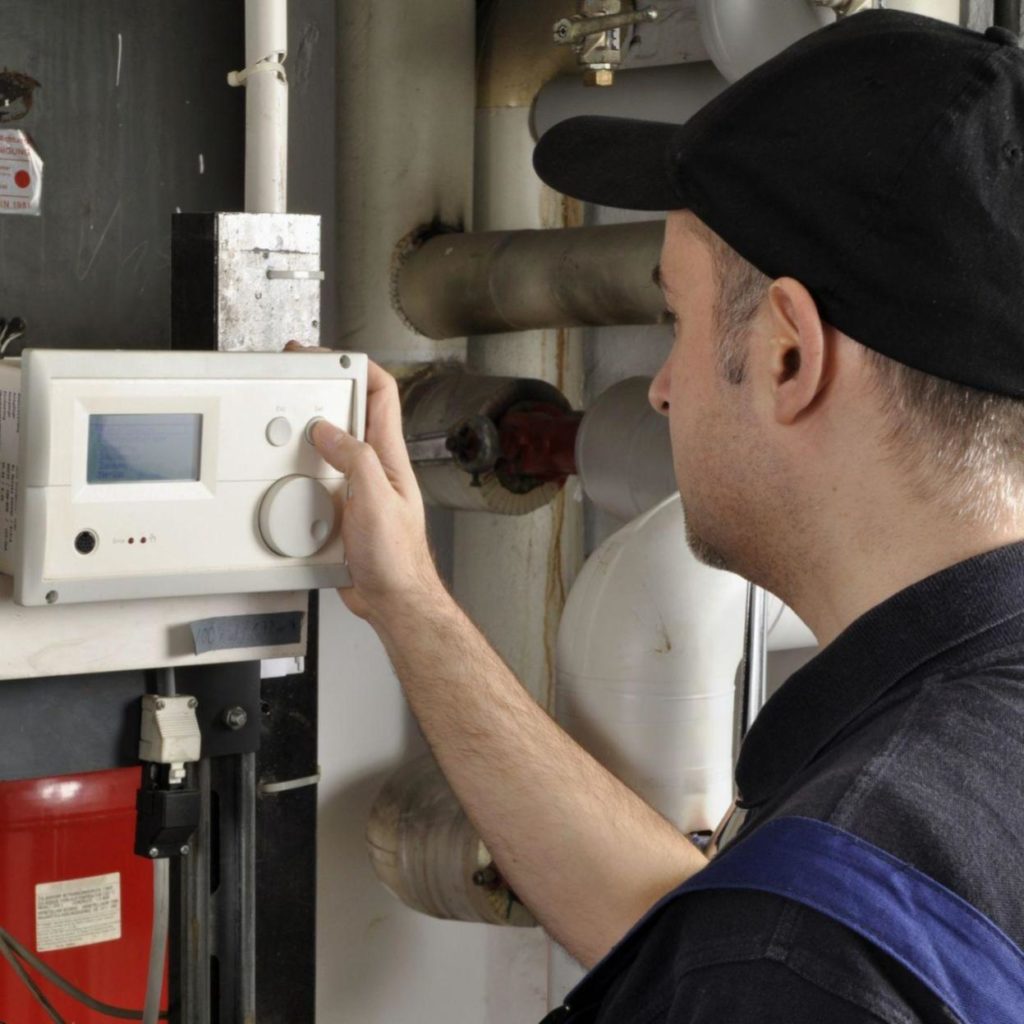
In 2025, our portfolio of monitored and managed facilities in Switzerland grew by more than 20% to 1100 properties. This enables us to make an important contribution to the increasingly important intelligent management of energy infrastructure in and around buildings.
At Renera, we want to help advance the energy transition as quickly as possible and strive to open up new opportunities for people and companies along the way, while preserving our livelihoods for future generations.
The following graphic provides an overview of the impact we have achieved together with our customers and partners. Unless otherwise stated, the savings potential relates to the total service life of the installations.
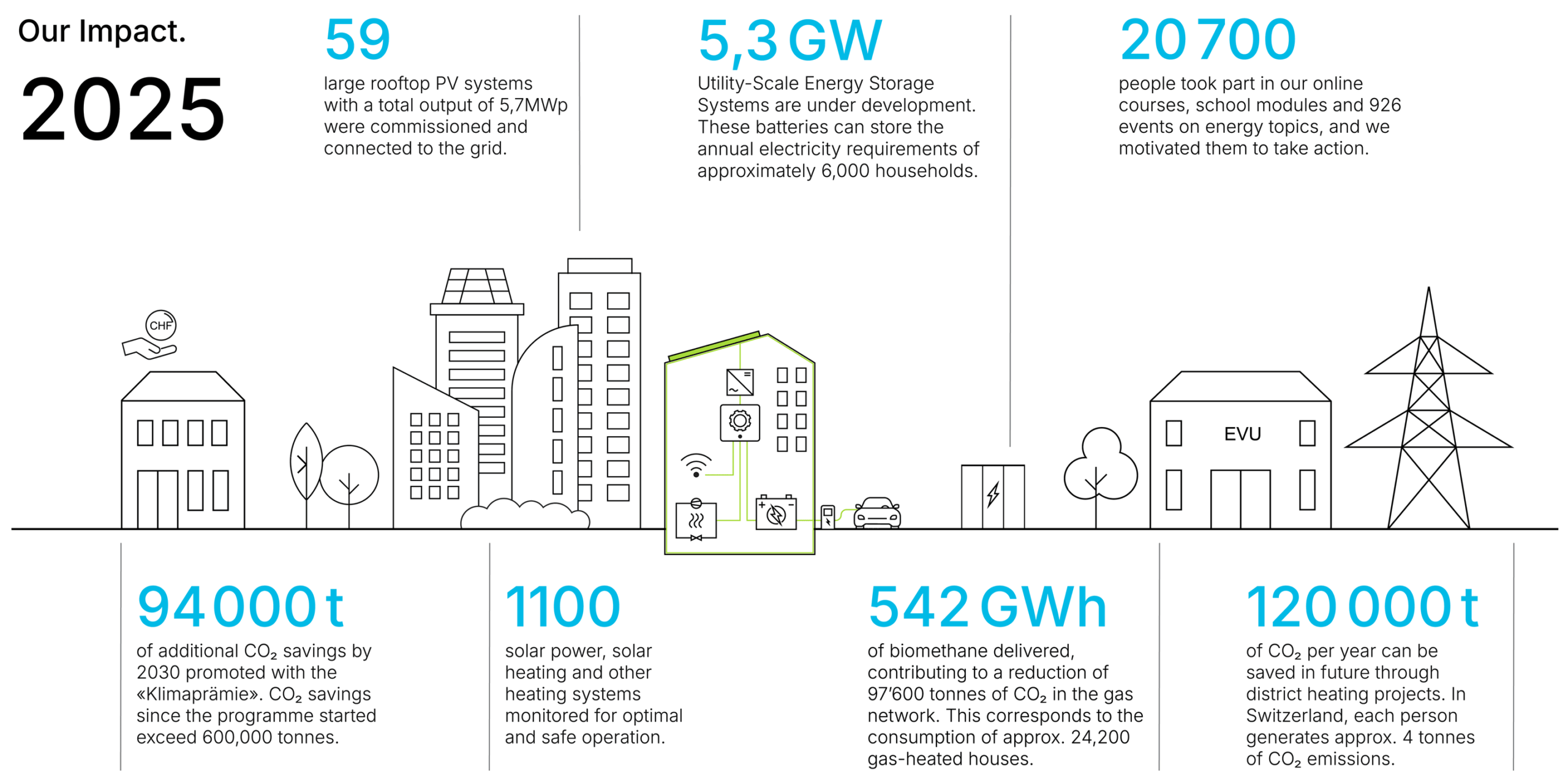
In 2025, we supported stakeholders in all our business areas – project development, trading, consulting & project realisation, operation & maintenance, and subsidies– in switching to renewable energies and increasing their energy efficiency. We supported energy supply companies, property owners, companies and private individuals in reducing CO₂ emissions and overall energy consumption as well as increasing the percentage of renewable electricity and heat sources.
Since our foundation in 2006, we have been actively promoting the energy transition and making it a tangible reality. To this end, we also share our expertise so that the community of ‘energy transition makers’ continues to grow.
Our impact in 2025 in each of our business areas:

540,000 households
will be supplied with electricity with the ground-mounted photovoltaic pipelines that are being developed and, in some cases, already planned in Italy and Germany
- Our Renera subsidiaries in Italy and Germany are developing ground-mounted and solar power plant pipelines with a cumulative capacity of 1.3 GWp in Italy and 85 MWp in Germany. These plants can cover the energy demand of around 540,000 households
- We are continuing to work intensively on large battery storage projects. These serve to stabilise regional grids and make the most of renewable energy capacity. Our BESS development pipeline in Italy and Germany currently totals 5.3 GW, which means it has almost doubled again within a year.
The share of renewable energies in electricity production continues to grow steadily. At the end of 2025, almost half (49%) of the electricity in Europe was generated from renewable energies (Eurostat). Our vision is a completely renewable energy world. We are therefore fully committed to the expansion of renewable energies and a completely renewable energy supply in Switzerland and Europe.
Solar power is the electricity generation technology with the lowest production costs and helps to massively reduce electricity costs for industry and private households. Renera is proud to make an important contribution to this ecological and economic progress.
540,000 households
will be supplied with electricity with the ground-mounted photovoltaic pipelines that are being developed and, in some cases, already planned in Italy and Germany
- Our Renera subsidiaries in Italy and Germany are developing ground-mounted and solar power plant pipelines with a cumulative capacity of 1.3 GWp in Italy and 85 MWp in Germany. These plants can cover the energy demand of around 540,000 households
- We are continuing to work intensively on large battery storage projects. These serve to stabilise regional grids and make the most of renewable energy capacity. Our BESS development pipeline in Italy and Germany currently totals 5.3 GW, which means it has almost doubled again within a year.
The share of renewable energies in electricity production continues to grow steadily. At the end of 2025, almost half (49%) of the electricity in Europe was generated from renewable energies (Eurostat). Our vision is a completely renewable energy world. We are therefore fully committed to the expansion of renewable energies and a completely renewable energy supply in Switzerland and Europe.
Solar power is the electricity generation technology with the lowest production costs and helps to massively reduce electricity costs for industry and private households. Renera is proud to make an important contribution to this ecological and economic progress.
542 GWh of biomethane
were delivered and thus contributed to the reduction of 97’600 tons of CO₂ in the gas grid.
- To support the decarbonisation of the gas supply, we are constantly exploring renewable alternatives and trade in biomethane. In 2025, the delivered volume of biomethane amounted to 542 GWh.
- Renera has prepared the conversion of two large biogas projects (250 m³/h and 500 m³/h), brought them to market readiness (ready-to-build), and sold both plants to implementation partners. Both plants will be connected to the gas grid in 2026.
- In addition to biomethane, we were also able to procure 1.9 GWh of hydro and 5.4 GWh of PV electricity, which triggers additional CO₂ savings.
Biomethane is renewable, storable and flexible in its application. Thanks to our Europe-wide network, we enable innovative concepts to be realised and make high-quality biomethane available for renewable energy supply across national borders.
540,000 kWh of energy
saved annually thanks to operational optimisations.
- The implementation of around 270 operational optimisations on existing heat generators, cooling systems, ventilation, and air conditioning systems leads to annual savings of approximately 370,000 kWh of thermal energy and 170,000 kWh of electrical energy. This corresponds to CO₂ savings of approximately 120 tonnes/year of thermal energy and approximately 68 tonnes/year of electrical energy.
- We supported the replacement of fossil fuel heating systems with renewable heat carriers in 12 projects. The replaced capacity amounted to 880 kW. The renewable replacement reduces CO₂ emissions by roughly 500 tonnes/year.
120’000 tonnes of CO₂
per year can be saved in future through district heating projects.
- Our experts were involved in consulting and sales for seven district heating projects that can supply over 65,000 households with district heating.
- On behalf of Primeo, our district heating team has been driving forward decarbonisation and expansion for district heating networks in several cantons in 2025, with the potential to replace over 300 GWh of fossil fuel heating.
The heat transition, i.e. the sustainable supply of heat in buildings, is an important building block on the path to decarbonisation. Our neutral analyses show how the value and attractiveness of properties can be increased trough a sustainable heat supply. We help to realise heating network projects profitably.
5,7 MWp newly in operation
In 2025, we continued to support customers in Switzerland in realising the PV potential of their portfolios.
- We supported the implementation and commissioning of a total of 59 large photovoltaic systems for major real estate customers in Switzerland. This means that we now manage over 600 PV systems in our portfolio.
- Efficient PV asset management is becoming increasingly important in order to maximise the energy and financial performance of PV systems and reduce internal costs. That is why we manage 60 MWp of PV systems in asset management. The systems produce approximately the annual requirements of 17,000 households.
The real estate sector is an important driver in the expansion of solar power. Property analyses are an important step towards identifying the existing potential and leveraging it profitably.
More than 1000 solar, heating and ventilation systems
are monitored for optimal functioning on our monitoring platform.
- More than 600 photovoltaic systems are already registered on our monitoring portal.
- 500 building technology systems – solar thermal systems, heat pumps, heating systems with district heating or fossil fuels, and ventilation systems – were monitored with LORALARM in 2025 and optimised for efficient operation.
Our experience from analysing hundreds of systems shows that around 25% are affected by operational failures or unnoticed malfunctions. Through the intelligent use of proven measurement technology, we ensure the safe operation and maximized performance of all systems.
125 GWh of electricity
savings were enabled by our electricity efficiency subsidy programmes.
- Our ProKilowatt subsidy programmes Optivent and Pumpind supported projects for ventilation and pump replacement, enabling total electricity savings of 32 GWh. A total of over half a million Swiss francs in funding has been pledged to these projects.
- We supervised the project submissions to Prokilowatt for a total of nine large-scale projects. With our support, these projects received a subsidy supplement for electricity savings totalling 93 GWh in 2025. This corresponds to around 21% of all subsidies granted by ProKilowatt.
With its focussed range of subsidies in the area of electricity efficiency for pumps, ventilation systems and large-scale projects, Renera’s Energie Zukunft Schweiz subsidy programmes provide a wide range of funding opportunities for electricity savings in all sectors and industries.
94,000 tons of CO₂
additional savings by 2030.
- The 600 Klimaprämie funding commitments for 2025 have enabled projects for renewable heating replacement with a total output of approximately 50 MW, which will save an additional 94,000 tonnes of CO₂ by 2030.
- Since the start of the subsidy programme in 2020, cumulative CO₂ savings now total over 610,000 tonnes.
- We were also able to secure subsidies for 1,800 projects for renewable heating replacement with a total output of approx. 51 MW for the building programme of the Canton of Zurich.
The Energie Zukunft Schweiz “Klimaprämie” subsidy programme by Renera makes replacing heating systems much more financially attractive and thus accelerates the heating transition in Switzerland.
20,700 people
informed about energy issues and motivated to take action.
- With the Linie-e education and visitor platform, we welcomed around 11,800 visitors to 926 events at various energy and water infrastructure facilities. Approximately 4,700 people participated in school programs offered in classrooms. In addition, around 4,200 people used our online virtual classroom platform in 2025.
- Since Linie-e was founded, we have been able to show energy, drinking water and wastewater facilities to over 250,000 interested parties and taught them about these topics in the classroom. The transfer of know-how through Linie-e is currently supported by 27 partner companies.
- With workshops, excursions and joint projects, we support the energy suppliers of the Energie Zukunft Schweiz association on their way to a renewable energy future. We also provided knowledge on topics such as heating networks and biomethane certificates at events in Germany and Switzerland for the biomethane industry.
Knowledge transfer is crucial to successfully drive forward the energy transition. Renera therefore shares energy knowledge with as many people and institutions as possible and motivates them to take action. We generate synergies by networking with stakeholders in the energy system.
Our responsibility for society and environment
With our impact on renewable energies, we are actively shaping the future of energy.
As a medium-sized company, we also want to fulfil our responsibility to society and the environment and use our resources sustainably.
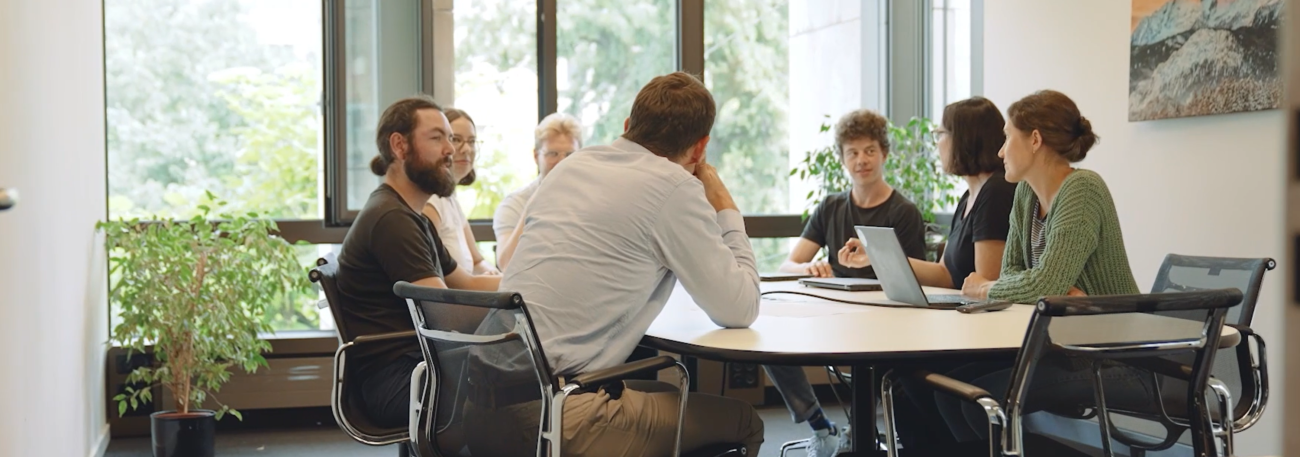
Our impact on the environment and society in 2025:
Our commitment to the environment.
Our most important and effective commitments to the environment is our green energy solutions. At Renera, we create real value for our customers because it enables us to realise our vision of a climate-friendly world.
All our projects are ultimately aimed at reducing CO₂ emissions, increasing the use of renewable energies and improving energy efficiency:
- We develop projects such as solar power plants, battery storage plants or heating networks for the use of renewable energies. We also develop specific products and services that act as catalysts for the energy transition. One example of this is our new division for sustainable asset management and our LORALARM monitoring system.
- We actively network with players from different sectors and thus create synergies for the further development of the energy supply.
- We help energy supply companies to produce, procure and market green energy.
- We advise real estate owners holistically on energy management: on the generation or procurement of solar power, on the use of renewable heat and on increasing energy efficiency through building insulation or intelligent control systems. We are also committed to climate-friendly mobility and advise our clients on charging stations and charging management for electric vehicles.
- Through funding programmes and our expertise, we are making the energy transition profitable for everyone. Renewable energies are becoming the first choice, as increasing efficiency pays off time and again.
- We provide information about the opportunities of the energy transition and bring concrete examples to life – at events, at energy plants, in the classroom and online. In this way, we motivate many people every year to actively contribute to the energy transition themselves.
Our commitment to the environment.
Our most important and effective commitments to the environment is our green energy solutions. At Renera, we create real value for our customers because it enables us to realise our vision of a climate-friendly world.
All our projects are ultimately aimed at reducing CO₂ emissions, increasing the use of renewable energies and improving energy efficiency:
- We develop projects such as solar power plants, battery storage plants or heating networks for the use of renewable energies. We also develop specific products and services that act as catalysts for the energy transition. One example of this is our new division for sustainable asset management and our LORALARM monitoring system.
- We actively network with players from different sectors and thus create synergies for the further development of the energy supply.
- We help energy supply companies to produce, procure and market green energy.
- We advise real estate owners holistically on energy management: on the generation or procurement of solar power, on the use of renewable heat and on increasing energy efficiency through building insulation or intelligent control systems. We are also committed to climate-friendly mobility and advise our clients on charging stations and charging management for electric vehicles.
- Through funding programmes and our expertise, we are making the energy transition profitable for everyone. Renewable energies are becoming the first choice, as increasing efficiency pays off time and again.
- We provide information about the opportunities of the energy transition and bring concrete examples to life – at events, at energy plants, in the classroom and online. In this way, we motivate many people every year to actively contribute to the energy transition themselves.
The Renera Group consumes energy and resources in order to operate.
The three most relevant areas for our energy and resource consumption are electricity consumption, heating requirements and mobility for our employees’ commutes and business trips. For the first time this year, we are also including coffee consumption.
- Renera purchases 100% renewable electricity for all its offices. All our Swiss offices are heated with renewable heat. In Basel and Zurich, for example, we use district heating. Our German office is heated with a groundwater heat pump. Where necessary, the heating requirements of our offices in Italy are offset with biogas certificates to ensure that all the heat we use is CO₂-neutral.
- Our large locations are deliberately chosen to be central and close to train stations so that employees and customers can travel by public transport or bicycle. We also generally use public transport for our customer appointments. All employees are enabled to work remotely. The flexibility of our working methods in terms of time and location reduces commuting.
- We also influence global resource and energy consumption when purchasing products and services. Our procurement guidelines therefore include ethical and ecological framework conditions.




Basis for calculating CO₂ emissions from aeroplanes and cars: myclimate, and coffee footprint: Öko-Institut, p. 42
Our commitment to society.
As a medium-sized company, we are aware of our social responsibility and take it seriously:
- Ethical and ecological behaviour: We have developed a set of rules for business ethics, the Code of Conduct. When selecting our suppliers, we adhere to our procurement guidelines, which include ethical and ecological criteria.
- Flexible working models: Our employees can work flexibly in terms of both time and location. This makes it easier to balance private and professional life. 50% of our employees work part-time.
- Training: We offer students the opportunity to supplement their income (internships, working students) and hire graduates. We support our employees and provide them with ongoing training.
- Diversity: At Renera, we value the potential of diversity in teams. We strive to achieve the highest possible level of diversity, including women in management positions. With women making up around 40% of our workforce, we are above the industry average.
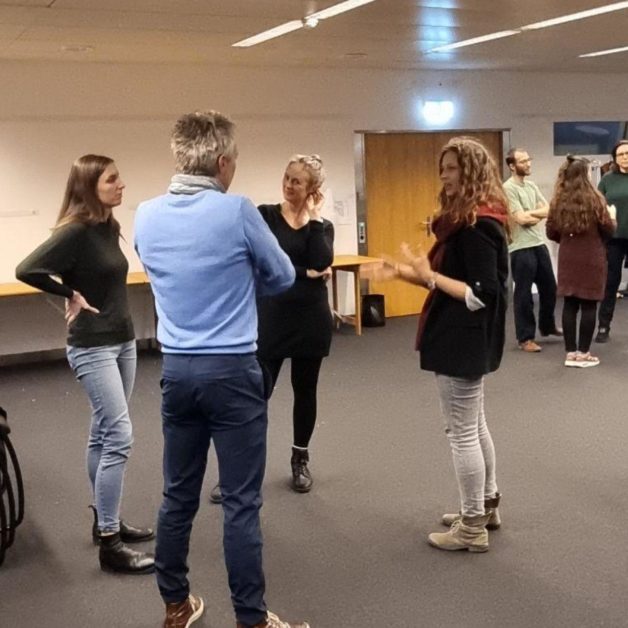
January 2025: In a bystander training session, we explored how we as observers can act appropriately when we witness discriminatory situations.
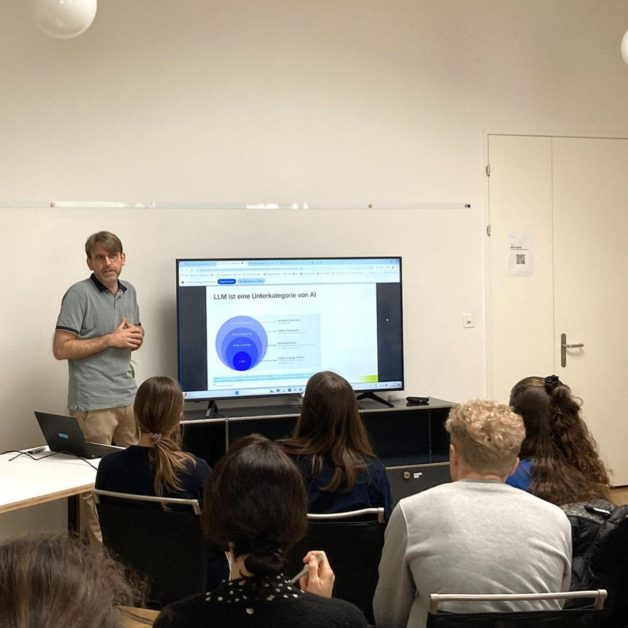
April 2025: At a hybrid AI & digitalisation lunch, we addressed the question of whether and how AI will support us on the path to energy transition.
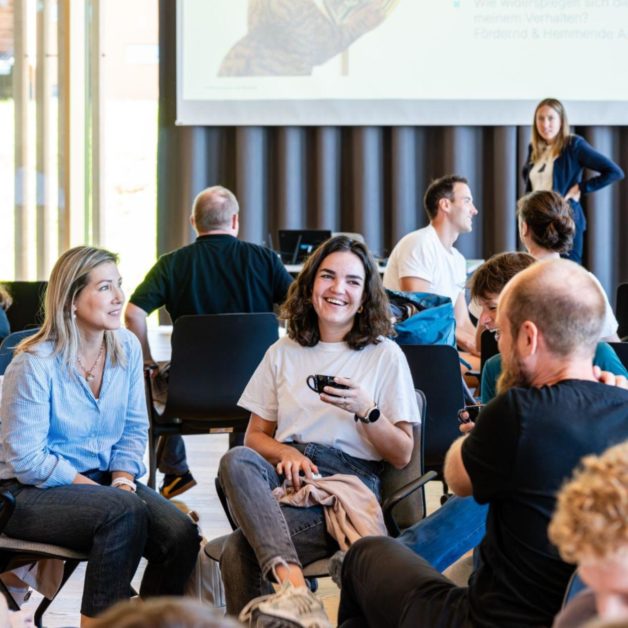
September 2025: What can we learn from the Transformers? In a practical workshop during our team-building retreat, we worked on our own transformability and agility.
We are amazed by the commitment and trust of our customers, partners and employees!
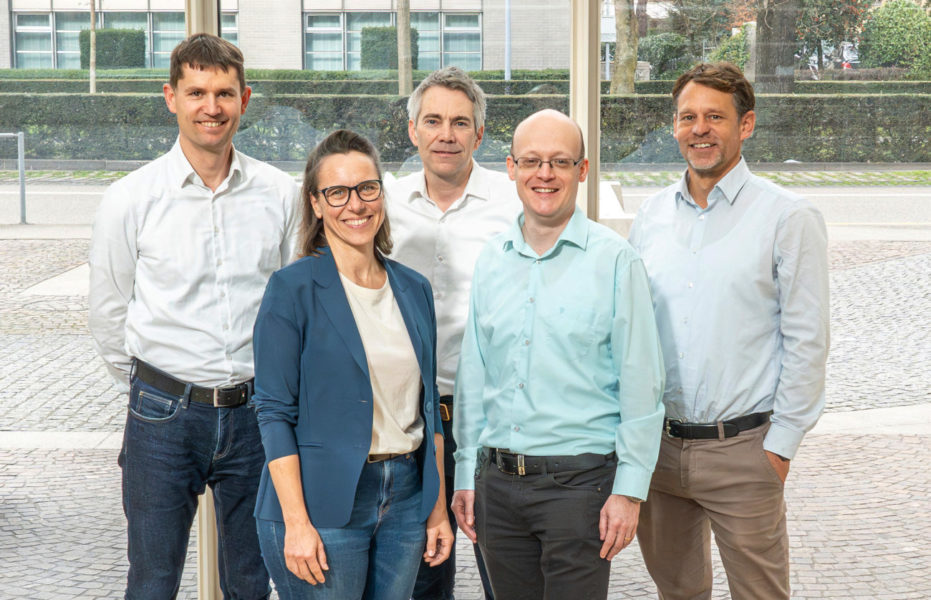
Renera Group Executive Board 2025: Aeneas Wanner (CEO), Nicole Gronau (Head of People & Culture) Georg Meier (Head of Trading), Stefan Rotzler (CFO), Lars Konersmann (Head of Development).